
-
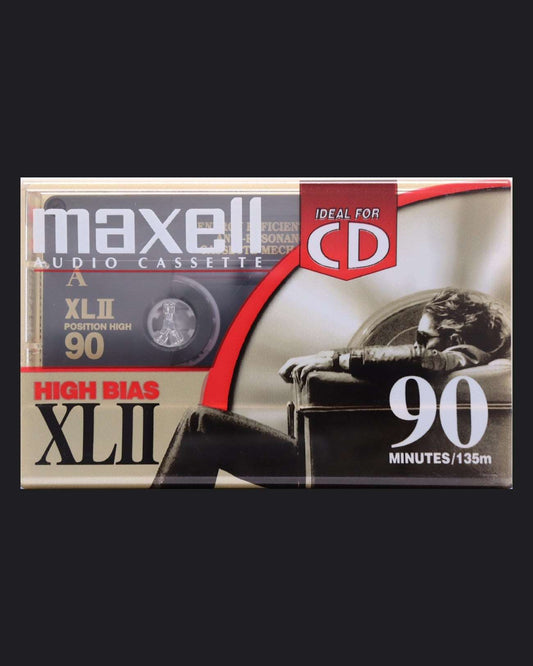
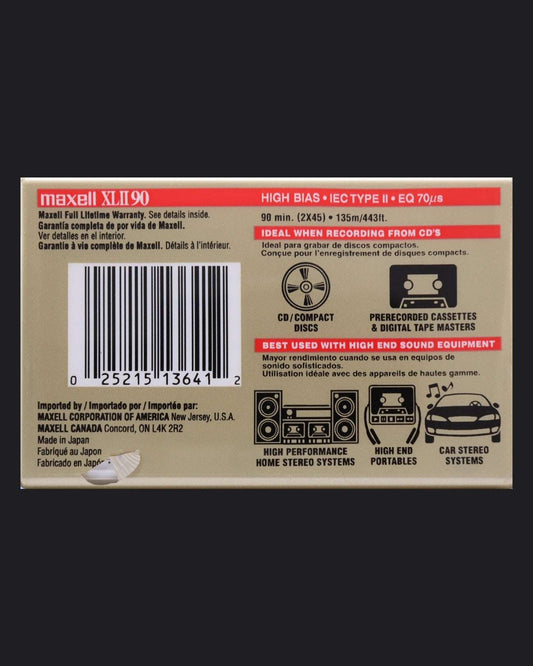
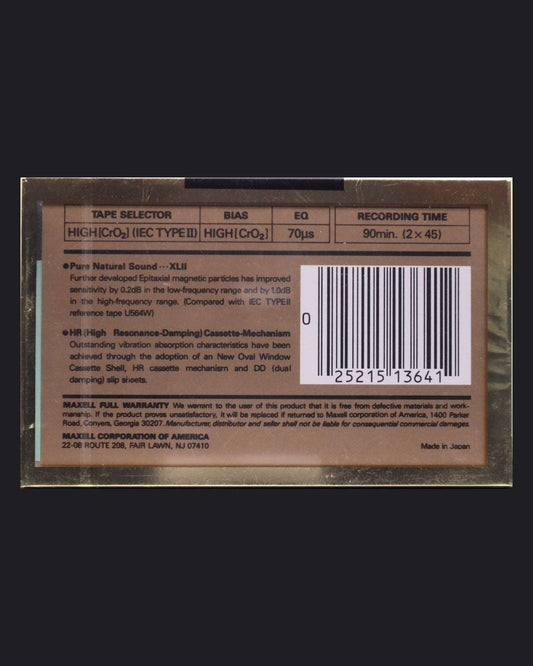
Maxell XLII Type II (2002-2005 US)
Regular price From $13.91 USDRegular price$11.77 USDSale price From $13.91 USD -

 On Sale!
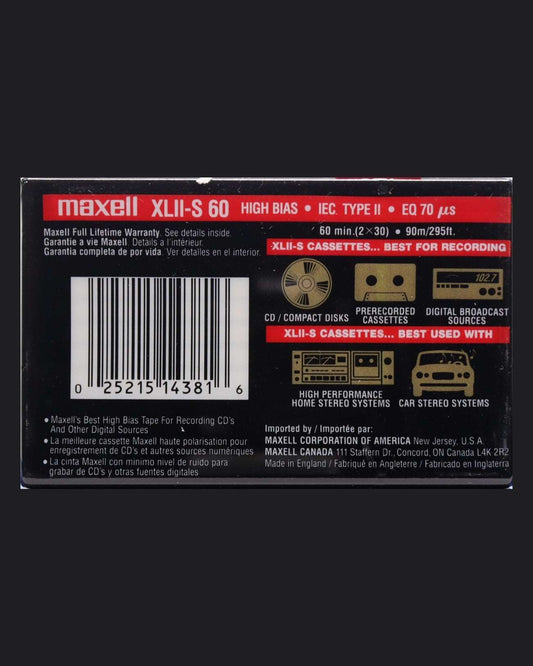
Maxell XLII-S Type II (2000-2001 US)
Regular price From $22.13 USDRegular price$27.22 USDSale price From $22.13 USDOn Sale! -
 On Sale!
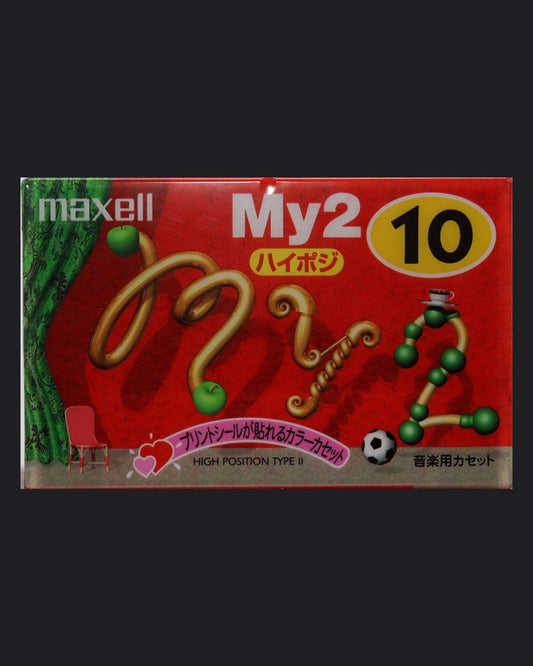
Maxell My 2 Type II - 1999 JP
Regular price $10.37 USDRegular price$11.18 USDSale price $10.37 USDOn Sale! -
 On Sale!
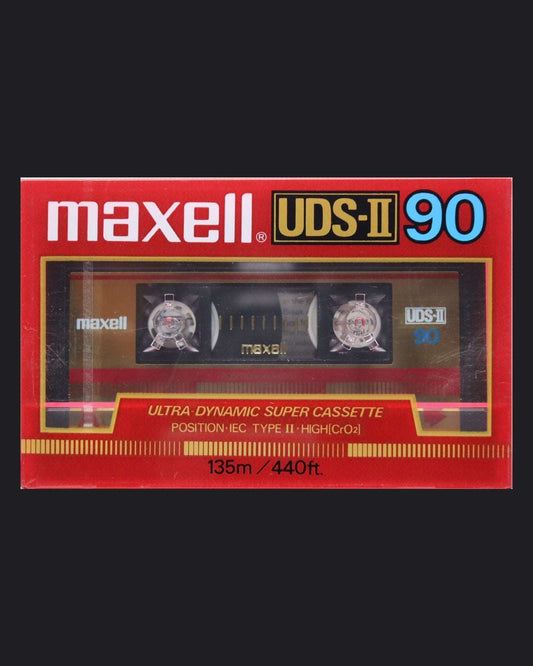
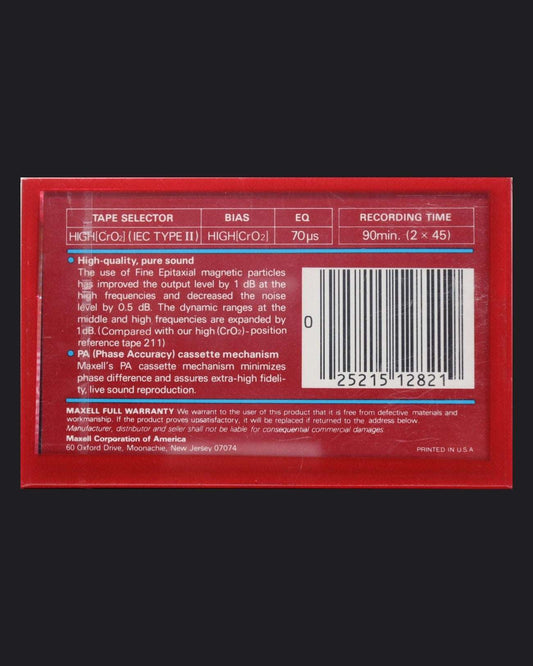
Maxell UDS-II Type II - 1986-1987 US
Regular price From $19.50 USDRegular price$19.86 USDSale price From $19.50 USDOn Sale! -

 On Sale!
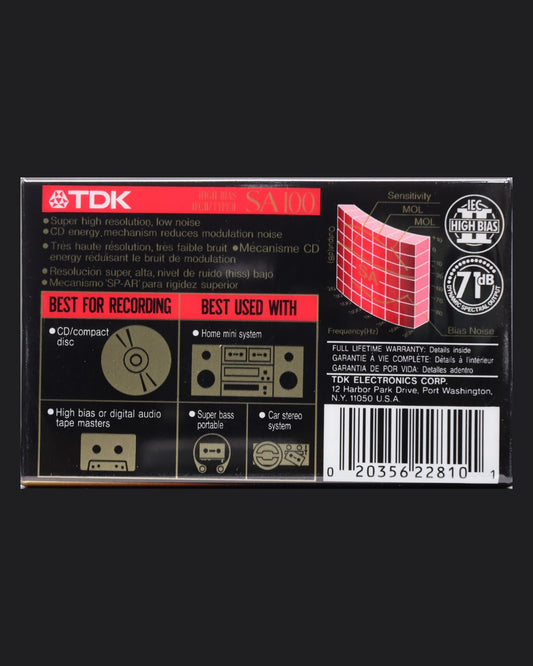
TDK SA Type II - 1992-1995 US
Regular price From $16.32 USDRegular price$18.26 USDSale price From $16.32 USDOn Sale! -
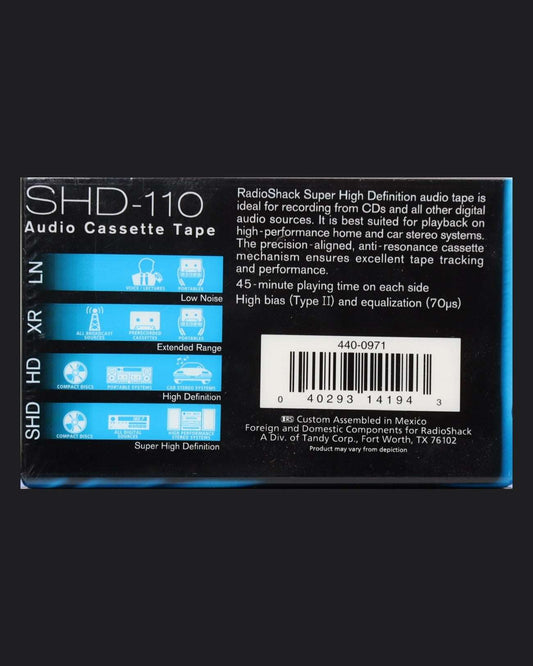
Radio Shack SHD Type II - 1995-2000 US
Regular price From $11.56 USDRegular price$10.44 USDSale price From $11.56 USD -

 On Sale!
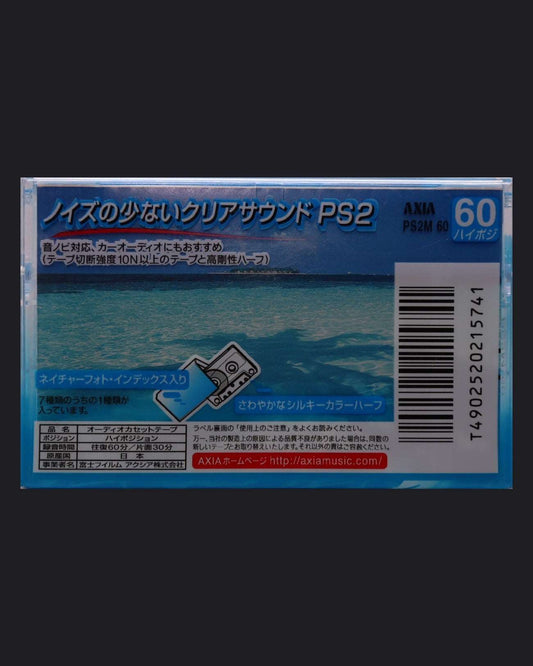
AXIA PS 2 Type II - 2001 JP
Regular price From $15.88 USDRegular price$18.46 USDSale price From $15.88 USDOn Sale! -

 On Sale!
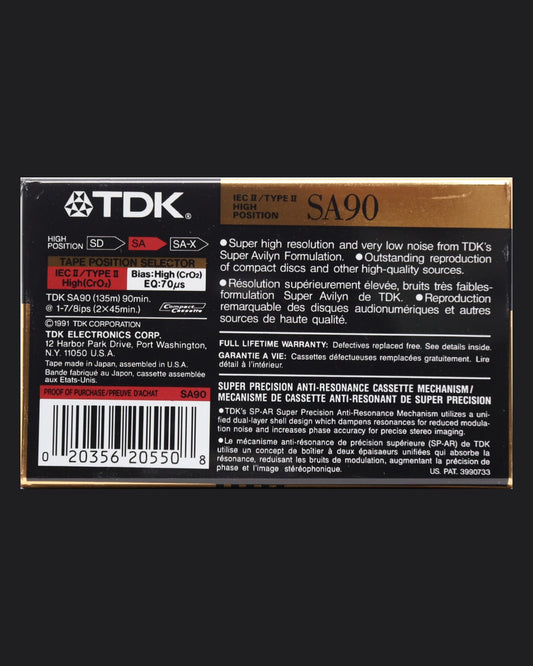
TDK SA Type II - 1990-1991 US
Regular price From $14.99 USDRegular price$16.85 USDSale price From $14.99 USDOn Sale! -
Maxell MS Studio Tape Type II - 1993 US
Regular price From $13.55 USDRegular price$17.57 USDSale price From $13.55 USDOn Sale! -
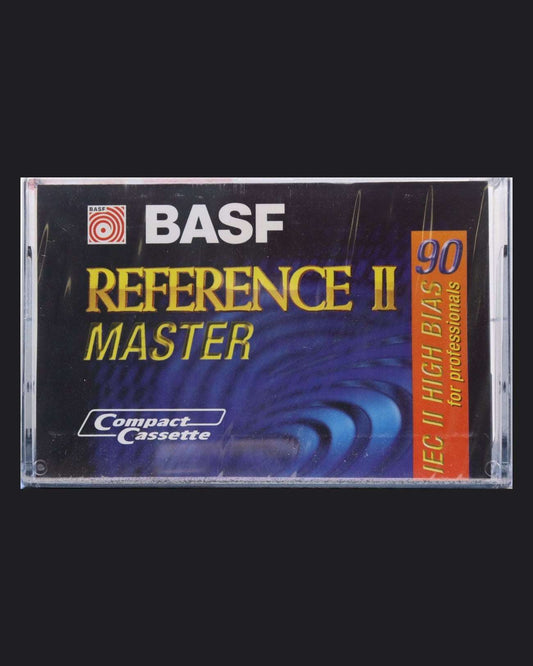
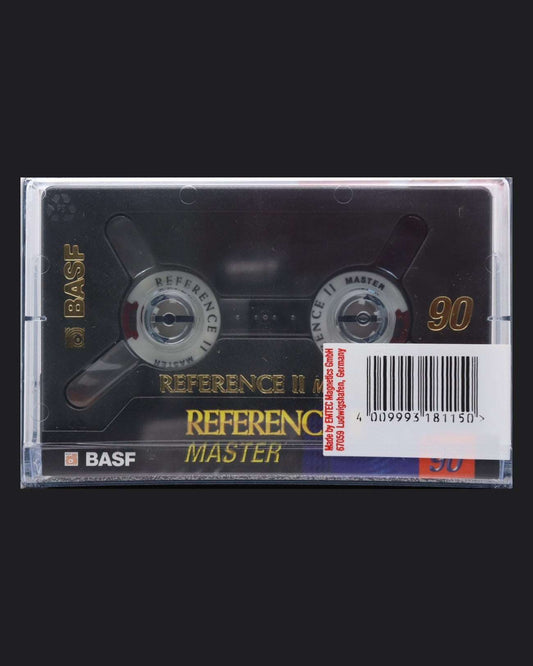
BASF Reference Master II Type II - 1995 DE
Regular price From $19.61 USDRegular price$10.42 USDSale price From $19.61 USD -
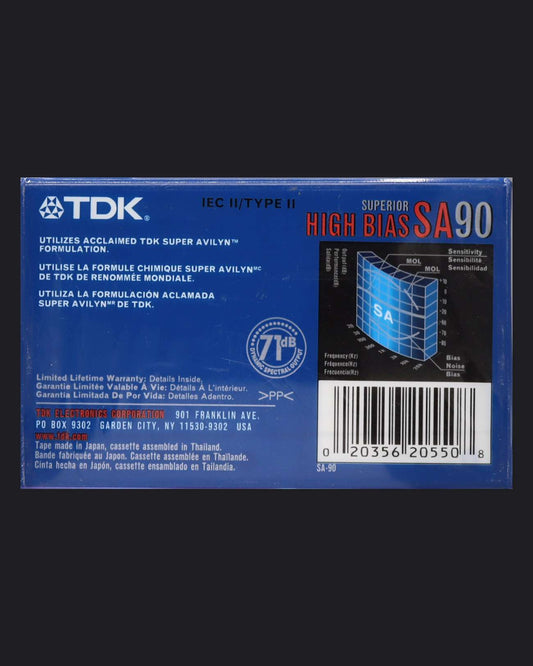
TDK Superior SA Type II - 2003-2005 US
Regular price $20.18 USDRegular price$20.99 USDSale price $20.18 USDOn Sale! -
Maxell XLII Type II - 1991-1992 US
Regular price From $15.36 USDRegular price -
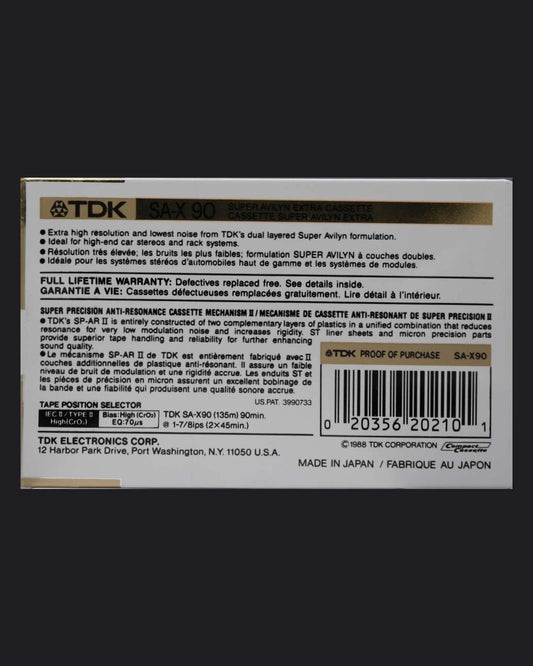
TDK SA-X Type II - 1987-1989 US
Regular price From $26.57 USDRegular price -
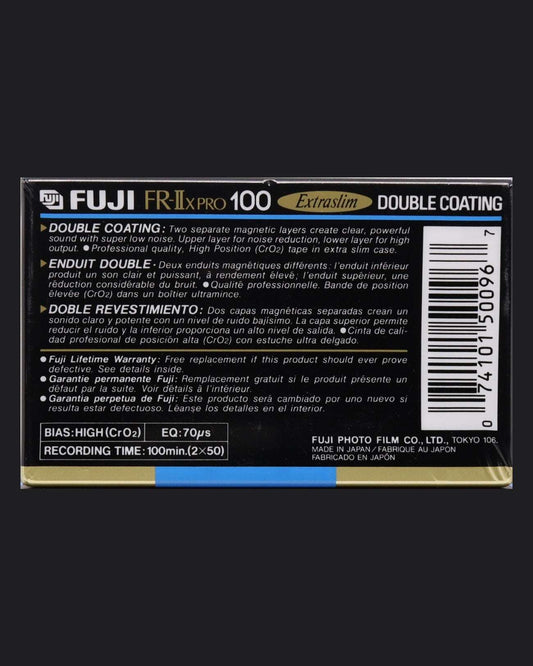
Fuji FR-IIx PRO Type II - 1992-1995 US
Regular price From $21.46 USDRegular price -

 On Sale!
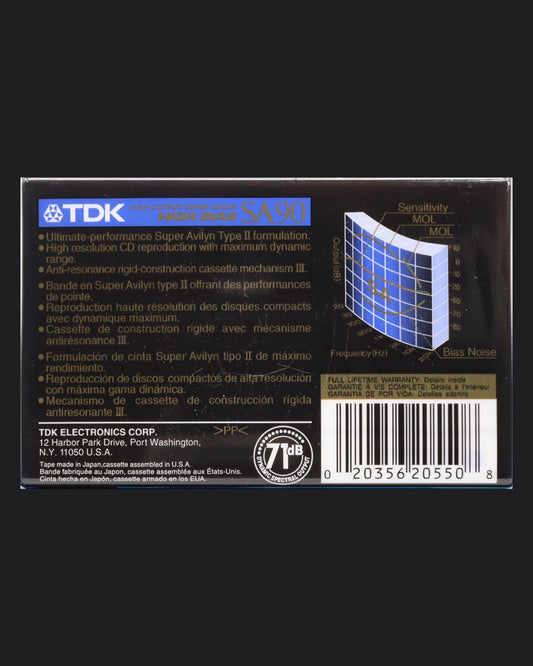
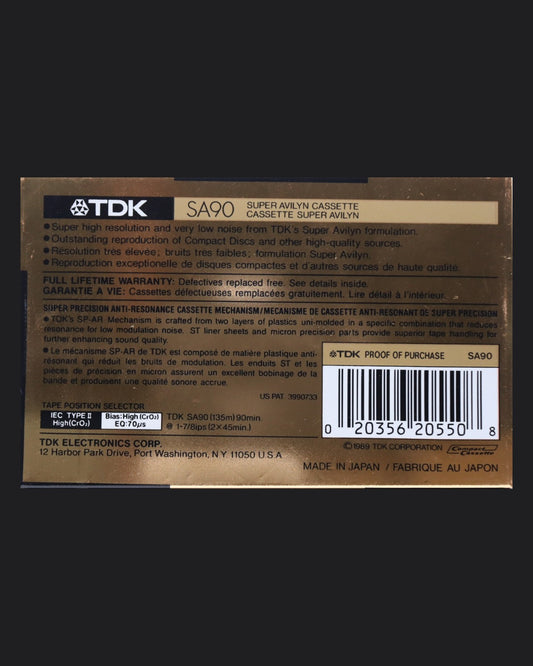
TDK SA Type II - 1997-2002 US
Regular price From $14.63 USDRegular price$14.80 USDSale price From $14.63 USDOn Sale! -

 On Sale!
TDK SA Type II - 1989 US
Regular price $18.84 USDRegular price$20.57 USDSale price $18.84 USDOn Sale!










Type II High Bias Blank Cassette Tapes
Type II — designated IEC II, and commonly called "chrome" or "high bias" — uses chromium dioxide (CrO₂) or cobalt-modified ferric oxide particles with significantly higher coercivity than Type I. The IEC standardized Type II in 1972, establishing a recording bias approximately 150% higher than Type I and a 70 μs playback equalization that boosts high-frequency reproduction. The result is noticeably lower tape hiss, extended treble response, and a cleaner, more detailed sound compared to normal-bias formulations.
Two main formulations exist within Type II: chromium dioxide (CrO₂), pioneered by BASF and DuPont and used in Sony's UX and UX-S lines among others, and cobalt-adsorbed or cobalt-modified ferric oxide (ferricobalt), used by TDK, Maxell, Fuji, Denon and most other Japanese manufacturers. Both require the high-bias (CrO₂ / Type II) setting on your deck. By the late 1980s, metal particle coatings began appearing at the top of the Type II range, pushing performance still higher.
Typical Type II models: TDK SA, Sony UX, Maxell XLII, BASF Chrome Extra II, Fuji FR-II, Denon HD-S, Scotch BX-Plus — these are the standard-bearers of the Type II category, trusted by home recording enthusiasts worldwide throughout the format's golden years.
Who is Type II for? Anyone who wants a meaningful step up from Type I in noise performance and treble clarity — especially for music with prominent high-frequency content like cymbals, acoustic guitar, and vocals. Type II is the most widely used high-performance cassette category.
All tapes are NOS sealed. Free US shipping on orders over $75.
Frequently Asked Questions
What is a Type II high bias cassette tape?
Type II (IEC II) uses chromium dioxide (CrO₂) or cobalt-modified ferric oxide particles with higher coercivity than Type I. It requires high bias recording (approximately 150% of normal) and 70 μs playback equalization. The result is lower tape hiss, extended treble response, and cleaner, more detailed sound.
What is the difference between Type I and Type II cassette tape?
Type II uses more magnetically resistant particles that allow higher recording bias, producing lower noise and better high-frequency response than Type I. The trade-off is that Type II requires a deck with a dedicated high-bias (CrO₂ / Type II) setting — it cannot be recorded correctly on a deck lacking this feature.
Is Type II cassette tape the same as 'chrome' tape?
The terms are often used interchangeably, but technically most Type II tapes are not chrome. True chrome uses chromium dioxide (CrO₂). Most Japanese manufacturers — TDK, Maxell, Sony, Fuji — used cobalt-modified ferric oxide (ferricobalt) instead, which performs like chrome without requiring DuPont's CrO₂ royalties.
What are the best Type II high bias cassette tapes?
TDK SA, Sony UX, Maxell XLII, and Fuji FR-II are the classic reliable Type II choices. For premium performance, TDK SA-X, Maxell XLII-S, Sony UX-S, and UX-Pro push into near-metal territory. BASF Chromdioxid II and Chrome Maxima II are notable for using genuine chromium dioxide.
What deck setting do I need for Type II tape?
Set your deck to the 'CrO₂', 'Chrome', 'High Bias', or 'Type II' position. This applies the correct recording bias and 70 μs playback equalization. Using the wrong setting will result in distorted recordings or muffled playback.